

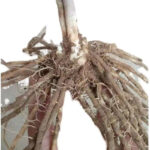
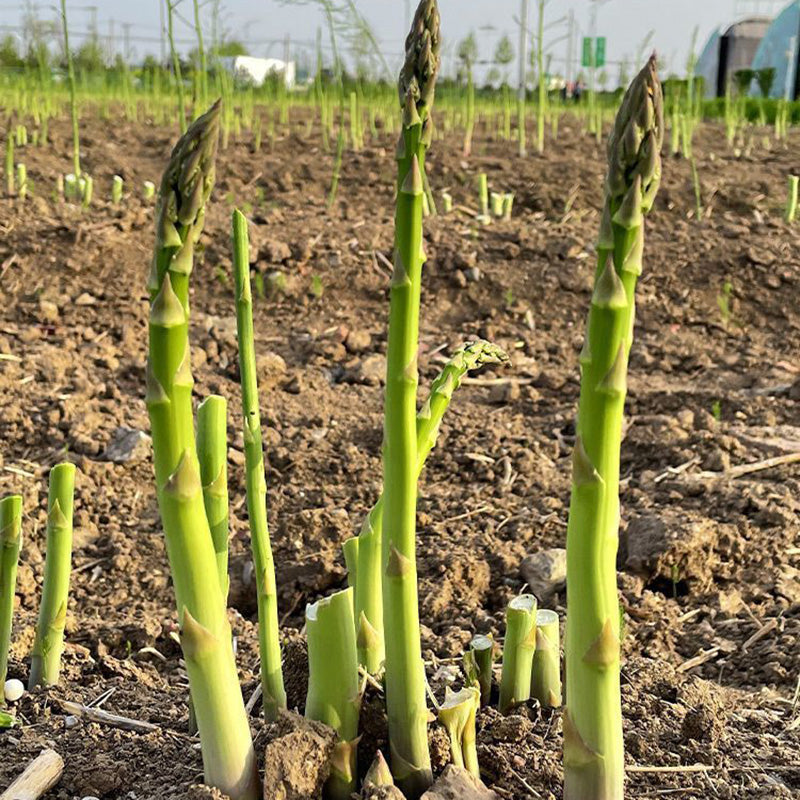
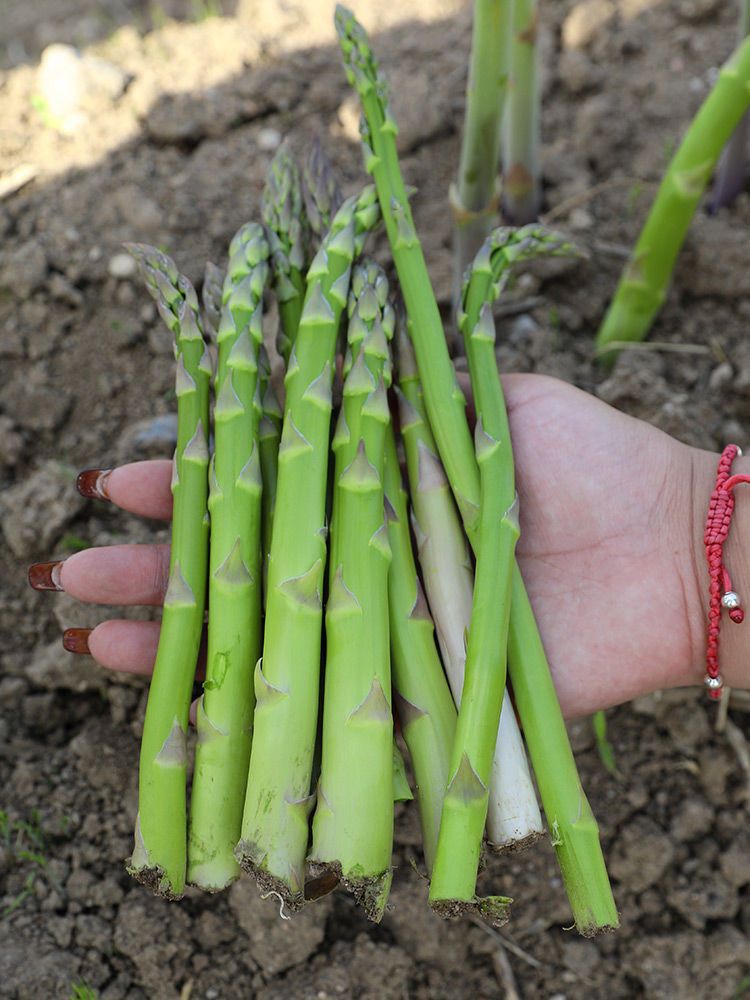
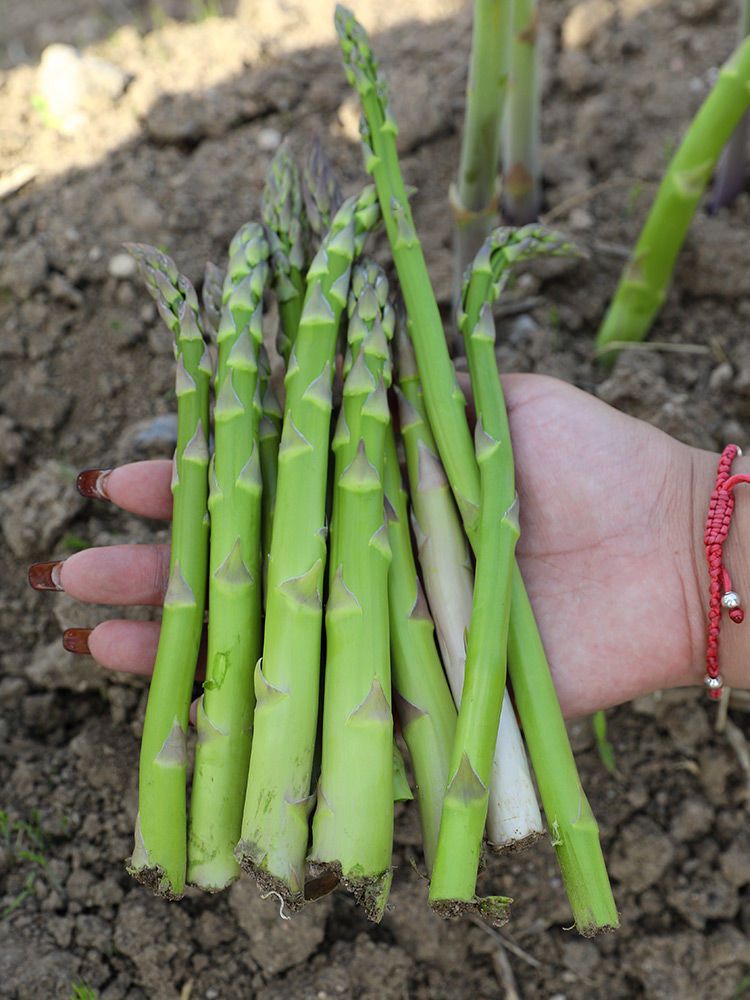
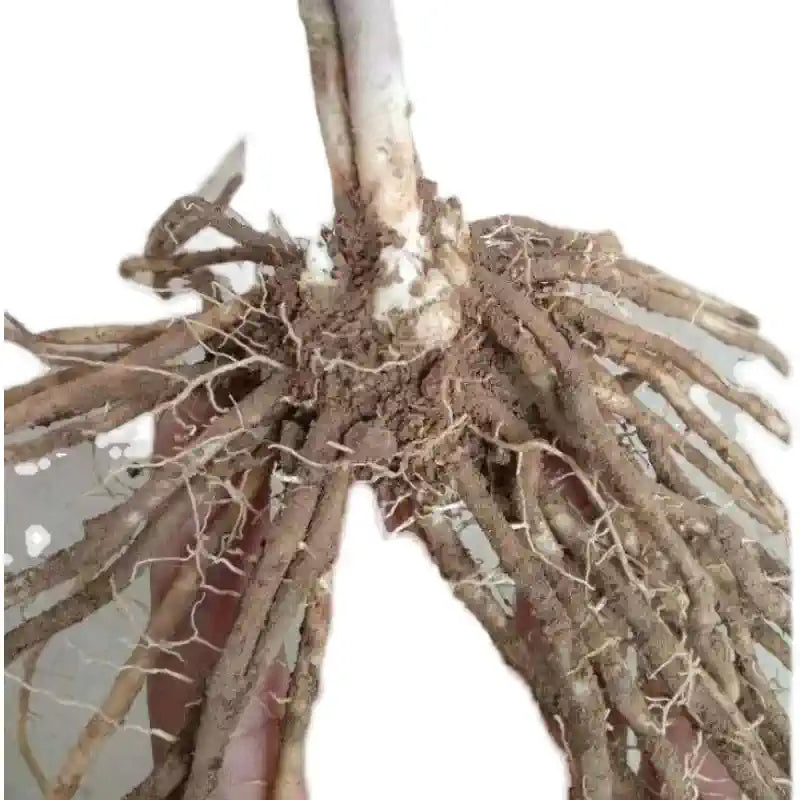
Asparagus Millenium
$23.95
1000 in stock
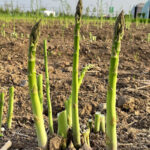
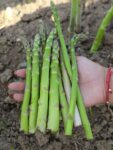
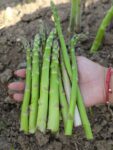
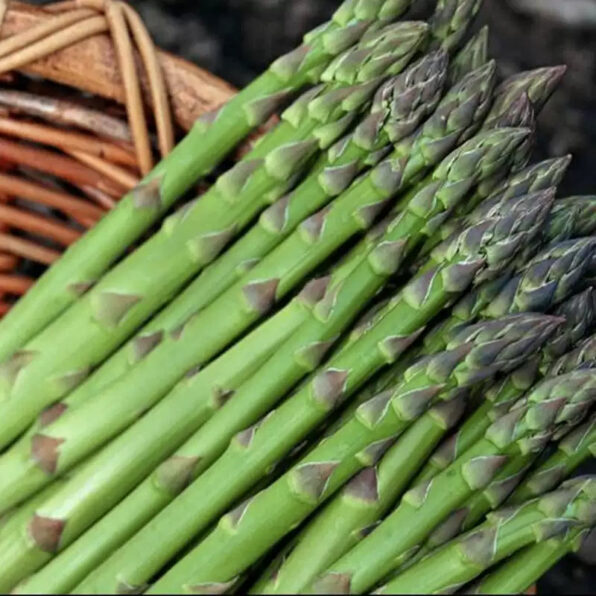
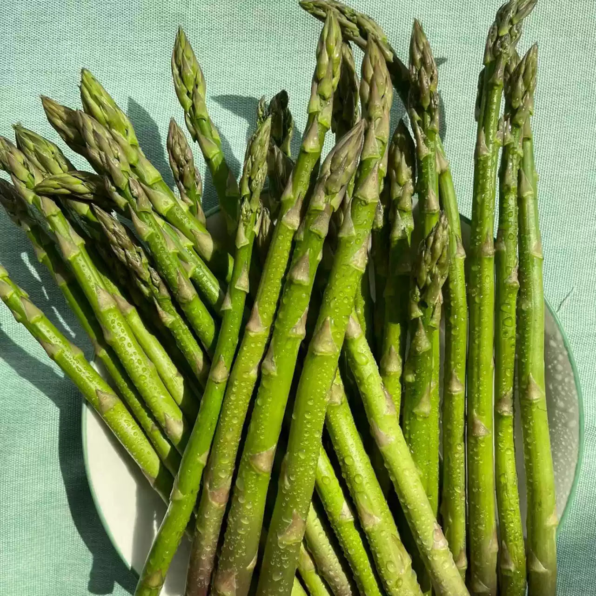
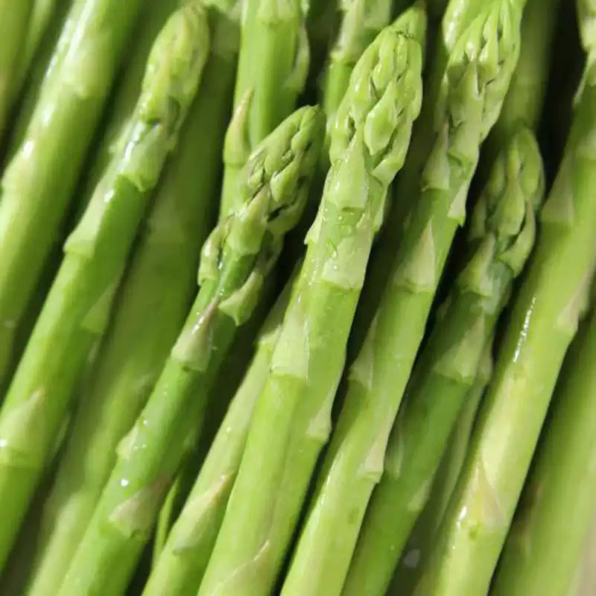
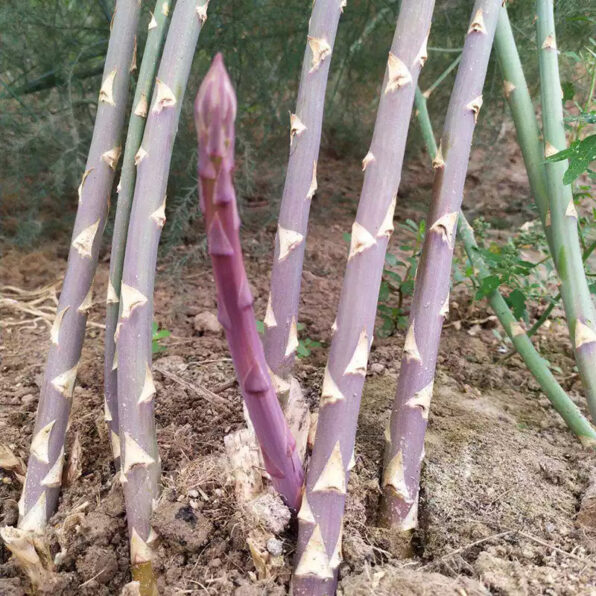
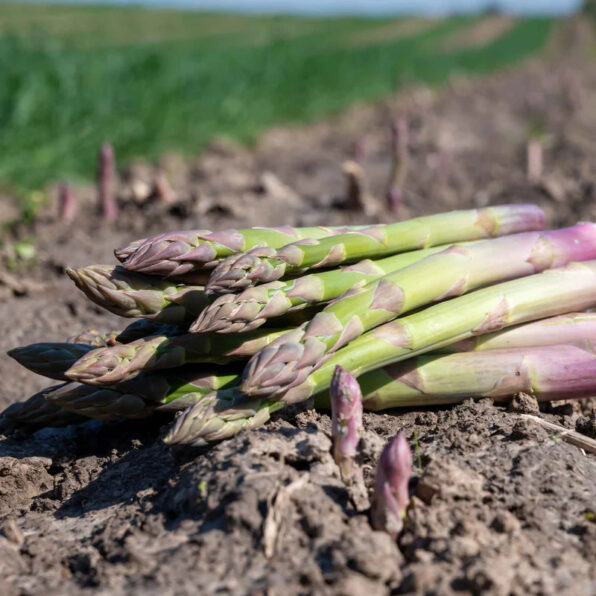
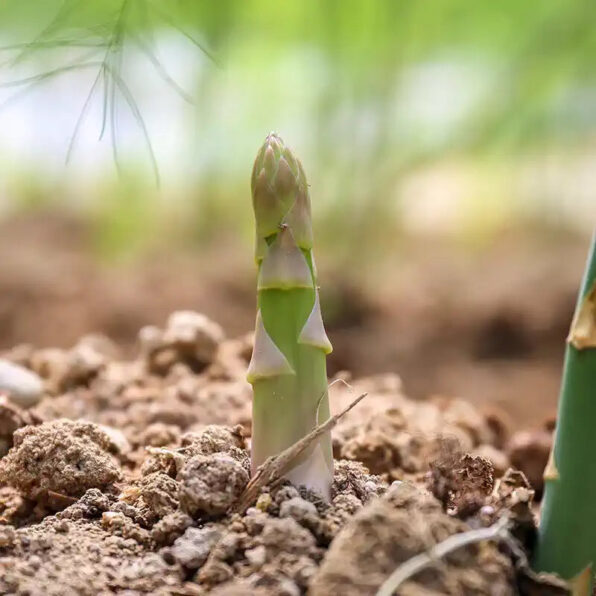
One of the highest yielding asparagus on the market, Asparagus Millenium is a stem vegetable that produces uniform, tight tipped, tender spears with excellent flavor. For best flavor and texture, harvest shoots in early spring while very young, about 5 to 7 inches long. Asparagus spears can be boiled, braised, roasted, steamed, stir fried, or grilled. Asparagus is considered a superfood for its nutrient rich content, having a high (top 20) Aggregate Nutrient Density Index score (ANDI), or micronutrient-per-calorie density. It is a good source of vitamins B6, C, and K, fiber, niacin, thiamin, riboflavin. It also contains a range of phytonutrients.
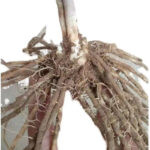
Asparagus Millenium, a long-lived, herbaceous perennial, is a member of the asparagus family (Asparagaceae). The plant self-propagates by rhizomatous roots. Dioecious, asparagus requires cross-pollination of 2 separate plants, a male and female, for fruit production. Once established, the plant can produce for decades with proper care, but it should not be harvested until the second year.
If asparagus is not harvested, the plant produces a towering fern of attractive feathery foliage of very branched tiny, linear leaves that turn yellow in fall and eventually die back naturally. Asparagus Millenium has a higher proportion of male plants. Female plants may also produce ornamental red berries that are toxic and should not be eaten. The plants have ornamental value and are suitable for edible landscapes.
Asparagus Millenium is hardy and easy to grow. It prefers full sun and loose, organically rich, evenly moist, sandy, well-drained soil with a neutral pH of 6.0 to 7.0 and that is free of weeds. But it grows successfully in a wide range of soil types, including heavy soils. Top dress with compost and apply nitrogen yearly, in early spring. It grows best in cooler locales with long winters. Asparagus Millenium is asparagus rust, fusarium, crown rot and rabbit resistant.
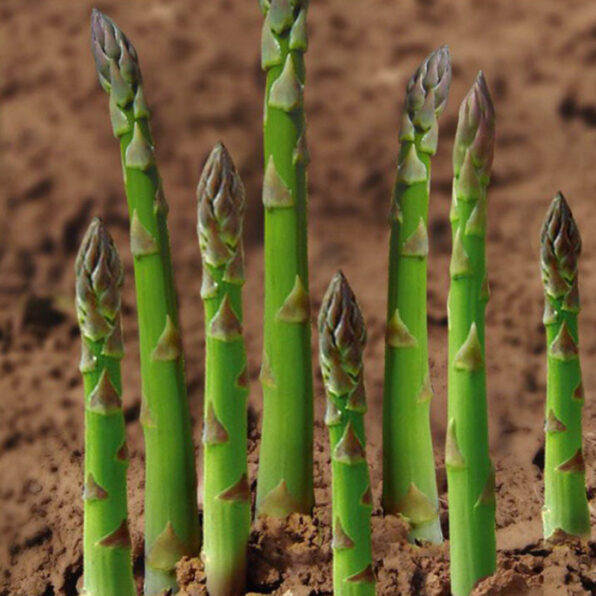
An heirloom asparagus variety, ‘Mary Washington’ is a stem vegetable. An early, high-yielding cultivar, the plant produces long, straight, dark green shoots with tight tips and a delicate, fresh flavor. Harvest shoots in early spring while very young, about 5 to 7 inches long. Asparagus spears can be boiled, braised, roasted, steamed, stir fried, or grilled. Asparagus is considered a superfood for its nutrient rich content, having a high (top 20) Aggregate Nutrient Density Index score (ANDI), or micronutrient-per-calorie density. It is a good source of vitamins B6, C, and K, fiber, niacin, thiamin, and riboflavin. It also contains a range of phytonutrients.
‘Mary Washington’, a long-lived, herbaceous perennial, is a member of the asparagus family (Asparagaceae). The plant self-propagates by rhizomatous roots. Dioecious, asparagus requires cross-pollination of 2 separate plants, a male and female, for fruit production. Once established, the plant can produce for decades with proper care, but it should not be harvested until the second year.
If asparagus is not harvested, the plant produces a towering fern of attractive feathery foliage of very branched tiny, linear leaves that turn yellow in fall and eventually die back naturally. ‘Mary Washington’ is a female selection and may also produce ornamental red berries. The berries are toxic and should not be eaten. The plants have ornamental value and are suitable for edible landscapes.
‘Mary Washington’ is easy to grow. It prefers full sun and loose, organically rich, evenly moist, sandy, well-drained soil with a neutral pH of 6.0 to 7.0 and that is free of weeds. Top dress with compost and apply nitrogen yearly, in early spring. It grows best in cooler locales with long winters. Mary Washington is asparagus rust, fusarium, crown rot and rabbit resistant.
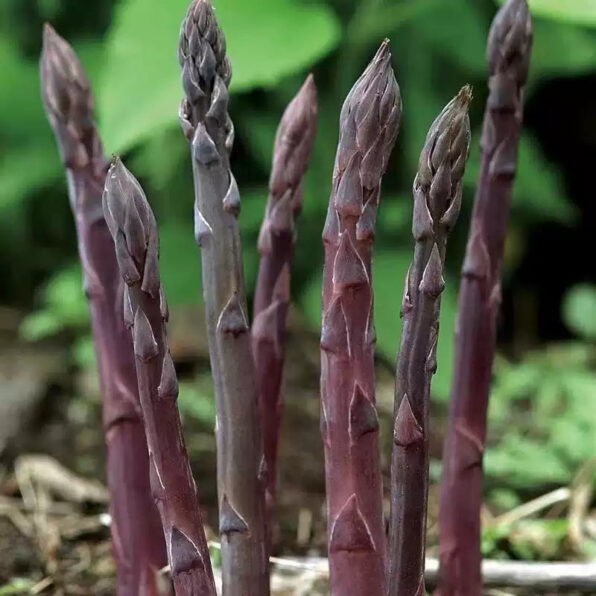
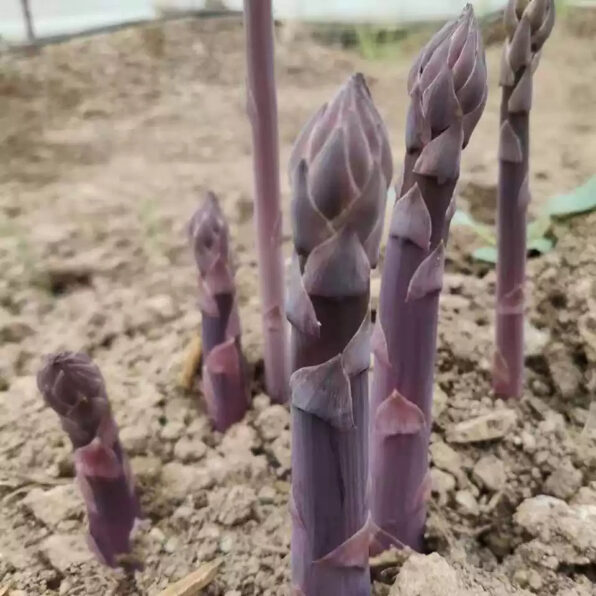
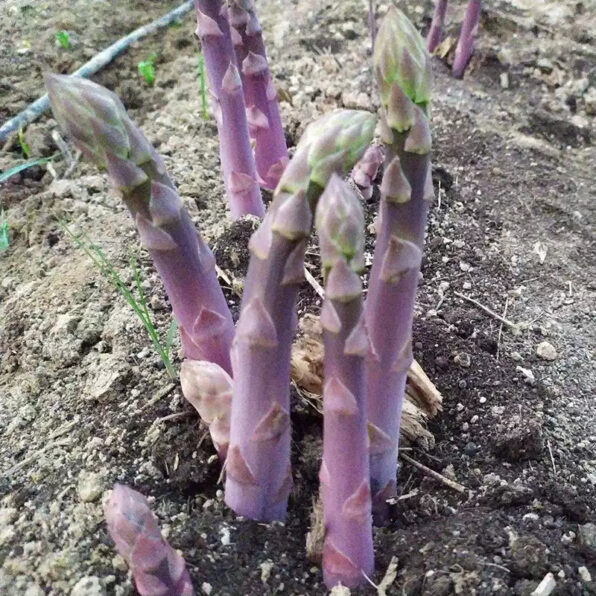
A unique, highly popular variety, Asparagus Purple Passion is a stem vegetable that produces attractive, wide-stemmed, super sweet, deep purple spears with a mild, nutty flavor. Purple Passion produces smaller crops than green varieties, but the spears are sweeter and more tender. Harvest shoots in early spring while very young, about 5 to 7 inches long. Asparagus spears can be boiled, braised, roasted, steamed, stir fried, or grilled. Asparagus is considered a superfood for its nutrient rich content, having a high (top 20) Aggregate Nutrient Density Index score (ANDI), or micronutrient-per-calorie density. It is a good source of vitamins B6, C, and K, fiber, niacin, thiamin, and riboflavin. It also contains a range of phytonutrients.
Purple Passion, a long-lived, herbaceous perennial, is a member of the asparagus family (Asparagaceae). The plant self-propagates by rhizomatous roots. Dioecious, asparagus requires cross-pollination of 2 separate plants, a male and female, for fruit production. Once established, the plant can produce for decades with proper care, but it should not be harvested until the second year.
If asparagus is not harvested, the plant produces a towering fern of attractive feathery foliage of very branched tiny, linear leaves that turn yellow in fall and eventually die back naturally. Purple Passion is a female selection and may also produce ornamental red berries. The berries are toxic and should not be eaten. The plants have ornamental value and are suitable for edible landscapes.
Purple Passion is easy to grow. It prefers full sun and loose, organically rich, evenly moist, sandy, well-drained soil with a neutral pH of 6.0 to 7.0 and that is free of weeds. Plant 6 to 8 inches apart in the row instead of the usual 12-inch spacing. Top dress with compost and apply nitrogen yearly, in early spring. It grows best in cooler locales with long winters. Purple Passion is asparagus rust, fusarium, crown rot and rabbit resistant.
A cool-season vegetable, one of the first to be planted in the garden, asparagus seed can be direct sown into the garden in early spring 2 to 4 weeks before the last frost date. It can also be started indoors 8 to 10 weeks before transplanting in the garden when the soil reaches a temperature of 60° to 65°F. Mulching helps to moderate soil temperature as well as to maintain soil moisture and control weeds. Protect plants with row covers if temperatures are expected to dip below 20°F.
| Seeds Per Pack | 20 |
|---|---|
| Item Form | Bareroot |
| Genus | Asparagus |
| Species | officinalis |
| Variety | Millenium |
| Product Classification | Vegetables |
| Habit | Upright |
| USDA Zone Low | 3 |
| USDA Zone High | 8 |
| Sun / Shade | Full Sun, Part Shade |
| Foliage Color | Medium Green |
| Harvest Season | Early Spring |
| Resistance | Cold Hardy, Crown Rot, Fusarium Wilt, Fusarium Yellows, Rust |
| Characteristics | Bloom First Year, Edible |
| Uses | Beds, Border, Containers, Cuisine, Cut Flowers, Foliage Interest |
Only logged in customers who have purchased this product may leave a review.
Reviews
There are no reviews yet.